

A Presence of Mind—Day 65
This weekend, it started with something small.
We had just returned from the library and were walking up the driveway toward the house when my grandson, six years old, stopped beside my car.
“Mammaw… what is that?”
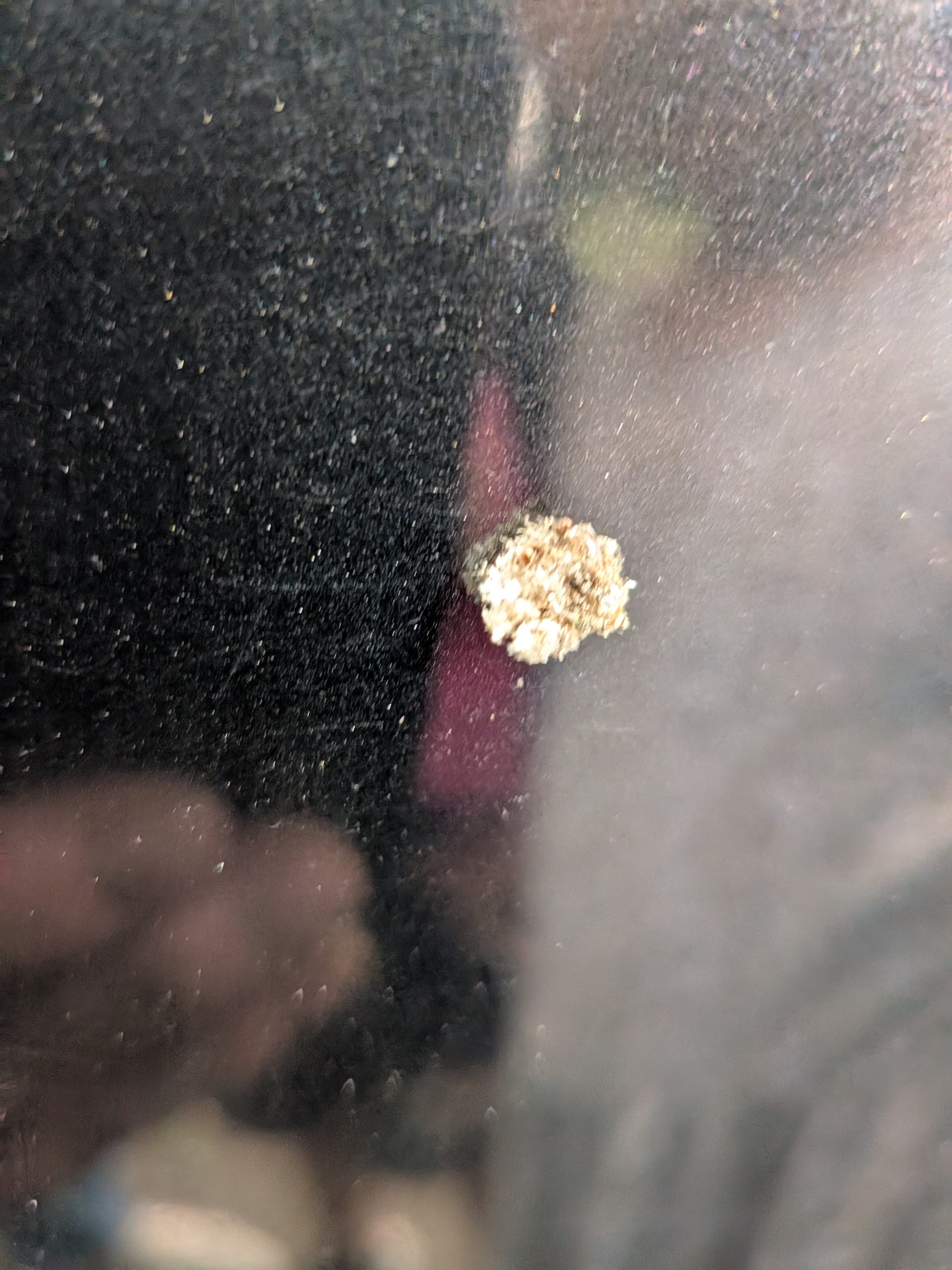
At first, it looked like nothing. Just a tiny speck of dust stuck to the window.
But he had seen it move.
So we stepped closer. His little sister came up beside him, and the three of us leaned in to look.
And there it was—something so small you could almost miss it. A little clump of dust and fuzz… with tiny legs.
I told them, “I’m not sure. It looks like some kind of bug that collects debris, but I don’t know what it’s called.”
And then we did something that’s quietly becoming part of our routine.
“Let’s ask the computer.”
We took a picture and asked.
Within seconds, we had an answer.
A plaster bagworm—something that builds its life quietly, piece by piece, carrying its home with it as it grows.
To an adult, it’s just a bug.
To a child, it’s a doorway.
That moment didn’t stand alone.
It connected to the library we had just left, where the children had followed a simple scavenger hunt designed to help them explore the space instead of feeling intimidated by it. No pressure. No rushing. Just discovery.
It connected to a picture book with no words, where instructions weren’t told but understood through sequence, pattern, and connection.
And later, it connected to reading itself.
We sat together with a beginner reader and slowly worked through the sounds of letters, the shapes of words, and the way those words connect together to form thoughts.
At first, they were just separate pieces.
Then something shifted.
The words began connecting into sentences.
The sentences began carrying meaning.
And with that meaning came confidence.
Not because anyone forced it.
But because enough time had been given for the connections to form.
That’s what I’m beginning to notice more and more.
Understanding does not usually arrive all at once.
It builds.
Quietly.
One connected experience at a time.
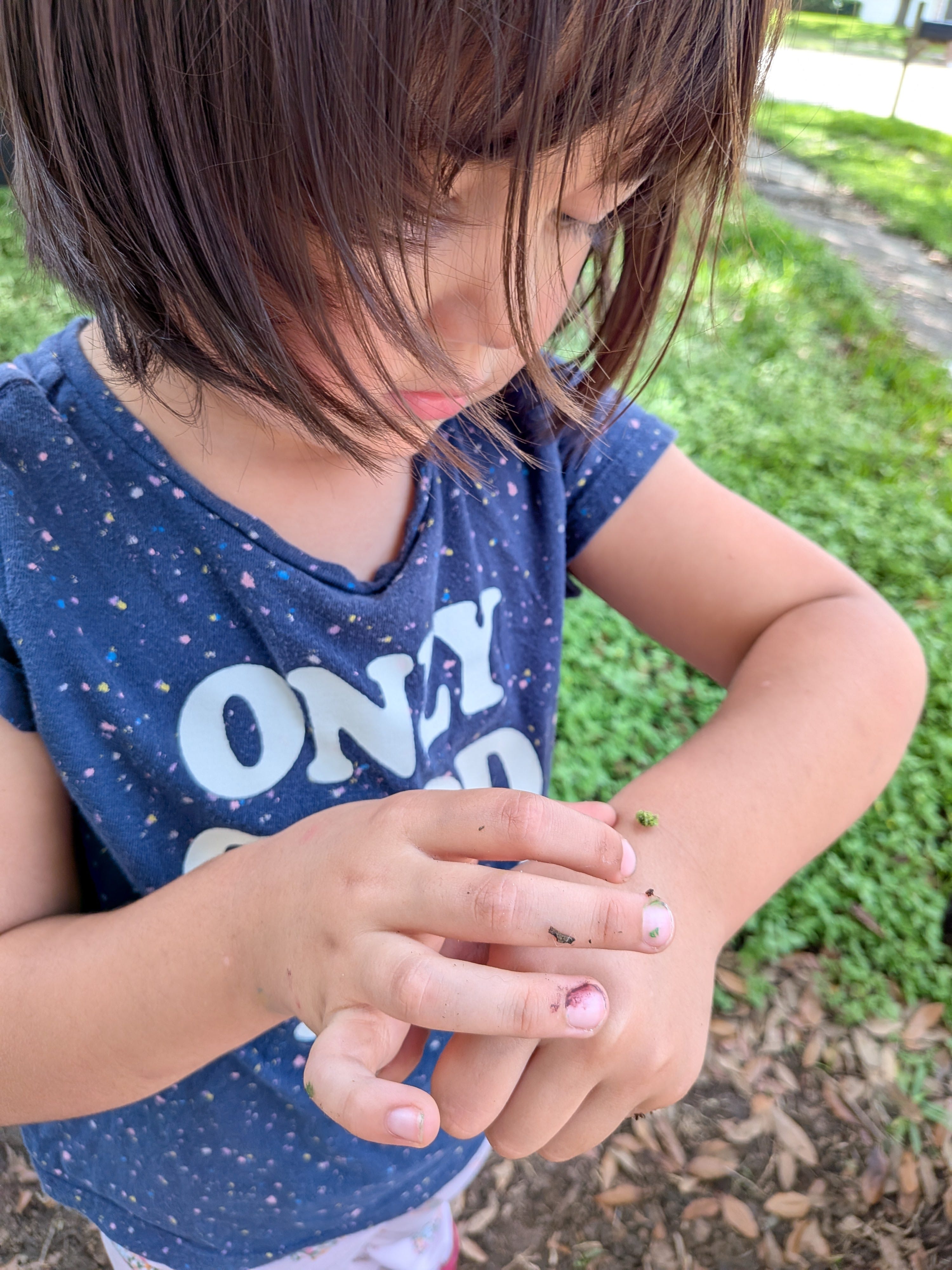
The day before, the children had gone on a walk with their mother and brought home flowers and mushrooms they had found growing nearby.
They were excited. Curious. Proud of what they had discovered.
So instead of reacting with fear, we paused and looked closer.
We talked about how some things in nature are harmless, and some aren’t, and how you can’t always tell just by looking.
Not everything interesting is something you immediately grab.
Sometimes understanding begins with slowing down long enough to ask a question first.
The next day, when we saw mushrooms growing in the grass again, something had changed.
There was no grabbing.
No rushing.
Just a pause.
A question.
And the beginning of discernment.
I think that’s part of what continuity really is.
Not simply repeating routines.
But allowing experiences to connect over time in a way that builds understanding.
A child notices a tiny moving speck on a car window.
That becomes a question.
The question becomes a conversation.
The conversation becomes understanding.
And understanding slowly becomes behavior.
That’s how learning actually forms.
Not through isolated facts.
But through connected meaning.
And maybe that’s also why so many systems feel overwhelming once we become adults.
Because we are often expected to function inside systems we were never truly taught to understand.
We are handed rules before orientation.
Procedures before meaning.
Expectations before connection.
And when understanding is missing, fear and confusion rush in to fill the gaps.
Children are not born understanding the world.
They build that understanding step by step.
Letter by letter.
Word by word.
Question by question.
And maybe adults are not so different.
Maybe the systems around us only begin making sense when we are finally allowed to slow down long enough to see how the pieces connect.
We didn’t teach faster this weekend.
We simply stopped rushing long enough for understanding to begin forming.
And once those connections started forming—
the children began carrying them forward on their own.