

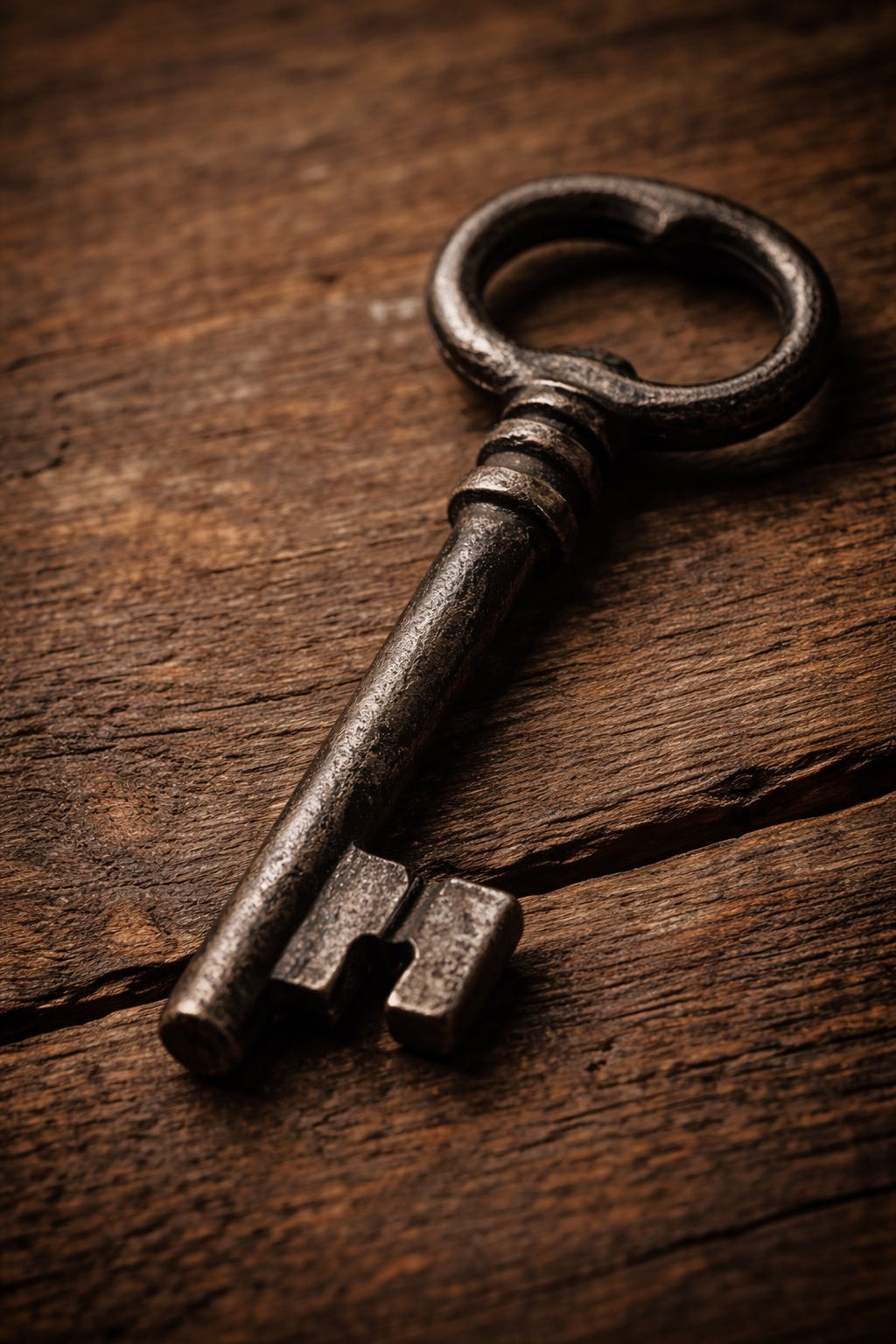
I wrote this today because I am trying to understand what key my eldest daughter needs, and how to place it gently into her hand. She is moving through a painful separation, a sudden vacuum in the structure of her days. Music — which has always been her way of speaking — is both her refuge and her echo chamber. She wants to share the songs that are carrying her right now, and I recognize that she needs me to hear her through the music that resonates with her…, But I also know what music did to my own early, unguarded years — how easily lyrics became architecture for emotions. I didn’t yet have the language to question how they could turn feeling into drama and drama into identity.
I am also trying to understand what is happening inside the songs she sends me. I know now that they affect me differently because I no longer accept the message — or the authority of the messenger — in the same way. What once felt like truth now reveals itself as a kind of emotional script: fragility language, static pain language, isolation framed as identity, endurance without movement. The melody carries it in so gently that it can feel like comfort, but underneath it is often misery shaped into something repeatable and marketable — a feeling placed on a stick and sold back to us as recognition.
When I spoke to AI about two of the songs she shared — Keep Fighting and Another Love — it helped me see the pattern rather than the performance. One key after another: how the lyrics hold the listener in a closed loop, how the pain is named but not transformed, how the voice asks us to stay inside the wound rather than step beyond it. Once I saw that structure, I couldn’t unsee it. The spell was broken — not because the feeling isn’t real, but because I could recognize the framing.
This is why music with words affects me so strongly now. It enters through language, and language builds architecture inside the body. I spent years letting those structures form without question. I can’t do that anymore. It isn’t rejection; it’s the same kind of care that makes me place the needles high on their magnet — not to discard them, but to handle them consciously.
I find myself drawn instead to music without lyrics, or to music where the words are not carrying a diminished view of what it means to be human — especially what it means to be a woman. Without that contamination, sound returns to what it first was for me: movement, atmosphere, breath, and space. A place where feeling can exist without being told what it is supposed to mean.
And so my work, with her and with myself, is to find the key that allows us to share what we feel without asking either of us to step back into a language that no longer holds us.
Here is the pattern. Now I can see it.
When I step back now and listen beneath the melody, this is the language I hear:
pain that is named but never allowed to move
endurance offered as the only form of strength
love that survives only in its absence
a self defined by what has been taken
a voice waiting to be rescued but never stepping toward its own light
fragility repeated until it hardens into identity
isolation that begins to sound like homeOnce I could hear this pattern, the spell loosened. The songs did not change — but my place inside them did. I am no longer standing in the center of that architecture. I am standing outside it, holding a key.
This is the key I am trying, gently, to place in my daughter’s hand — not to take away the music that carries her through these days, but to offer her a way to hear it without being enclosed by it. The thread continues, not by refusing what we feel, but by learning the language that shapes it.
And so Day 53 is not a return to where I was, but the quiet opening of another door — one where sound, memory, and voice can exist without asking me to surrender the ground I have learned to stand on.
In this I hear an echo of what Leonard Shlain wrote in The Goddess and the Alphabet — that language quietly builds the structures through which we experience reality — and what Malcolm Gladwell describes in Blink: that so much of what moves us is already at work beneath our awareness, long before we believe we have made a conscious choice. To recognize the pattern is not to reject the feeling, but to see the frame that holds it
Thanks for reading A Presence of Mind! Subscribe for free to receive new posts and support my work.
__JL